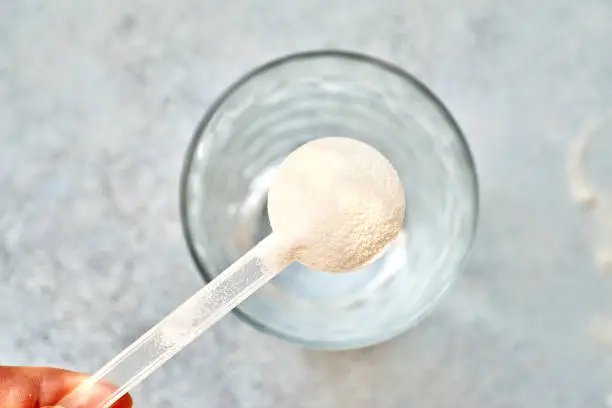
The most evidence-backed nutritional intervention for tendon healing. Hydrolysed collagen peptides taken with vitamin C before exercise stimulate collagen synthesis in the tendon. Timing and dose matter.
Read guide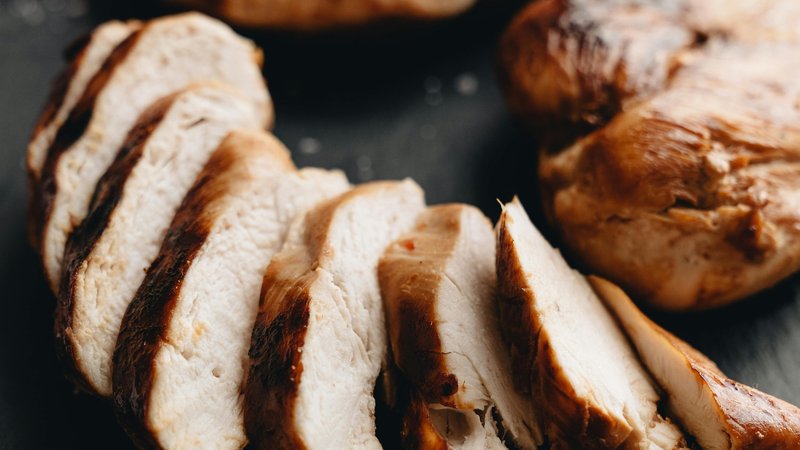
Protein is the raw material for tissue repair. Requirements increase during recovery — particularly to offset muscle loss during immobilisation. Adequate protein also preserves the muscle-tendon unit while the tendon heals.
Read guide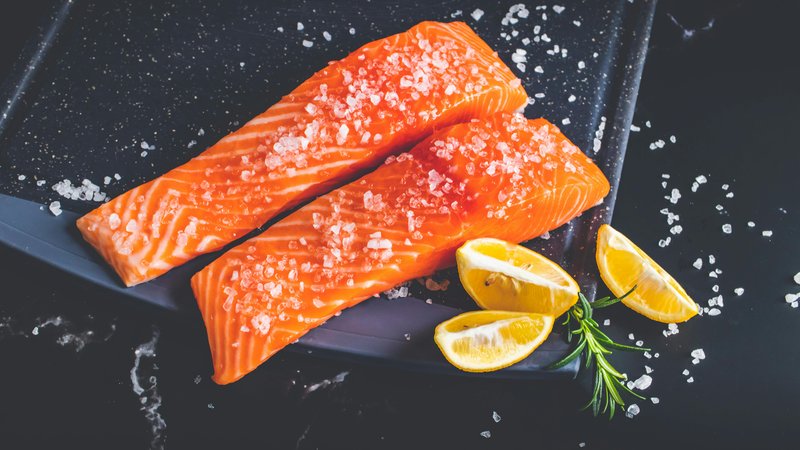
Omega-3 fatty acids, polyphenols, and specific dietary patterns can modulate the inflammatory response during healing. What to eat more of — and what to reduce — during the acute recovery phase.
Read guide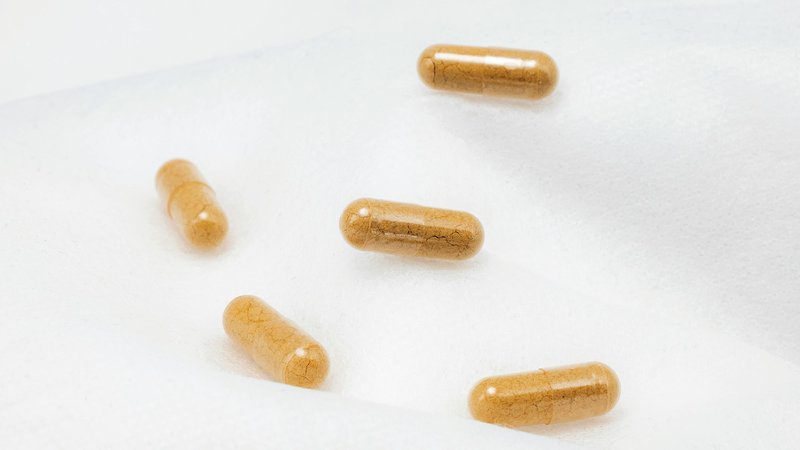
Collagen peptides, vitamin C, curcumin, magnesium, bromelain, and more — what the evidence actually supports, what is plausible but unproven, and what is not worth the cost.
Read guide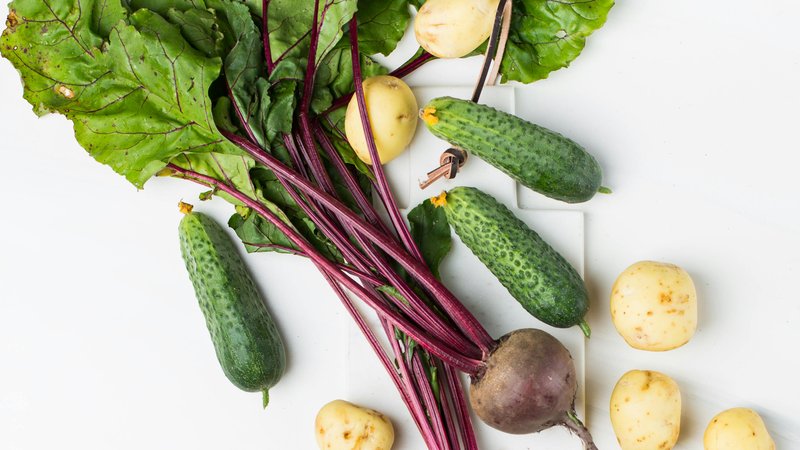
Once recovered, the dietary habits that keep tendons resilient and reduce re-injury risk. Collagen turnover continues throughout life — the nutritional support for it doesn't stop when rehabilitation ends.
Read guide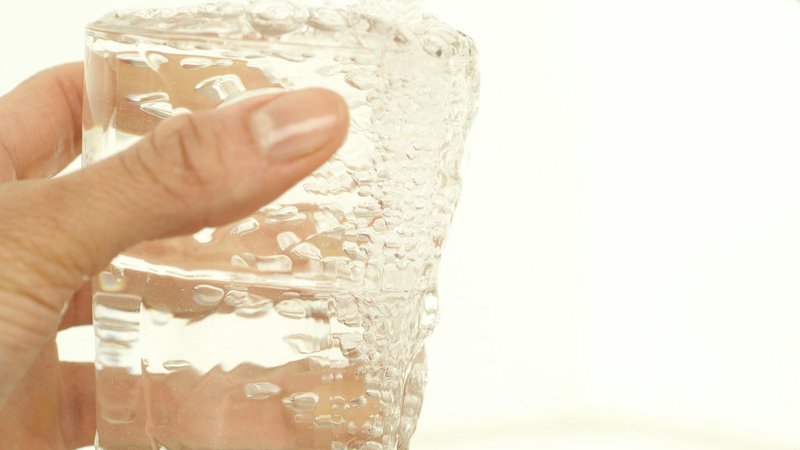
Tendons are approximately 70% water by wet weight. Chronic dehydration affects tendon viscoelastic properties and load tolerance. The often-overlooked nutritional factor in tendon upkeep.
Read guide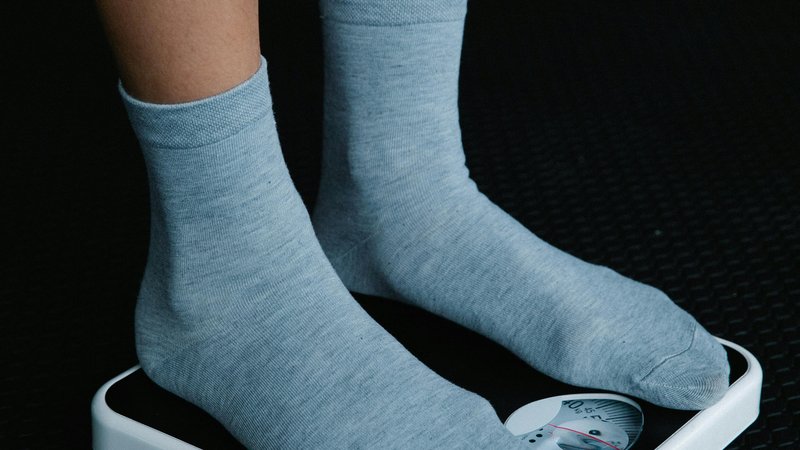
Every kilogram of bodyweight increases the load on the Achilles tendon during walking and running. The relationship between body composition, load management, and tendon health — and what it means practically.
Read guide